

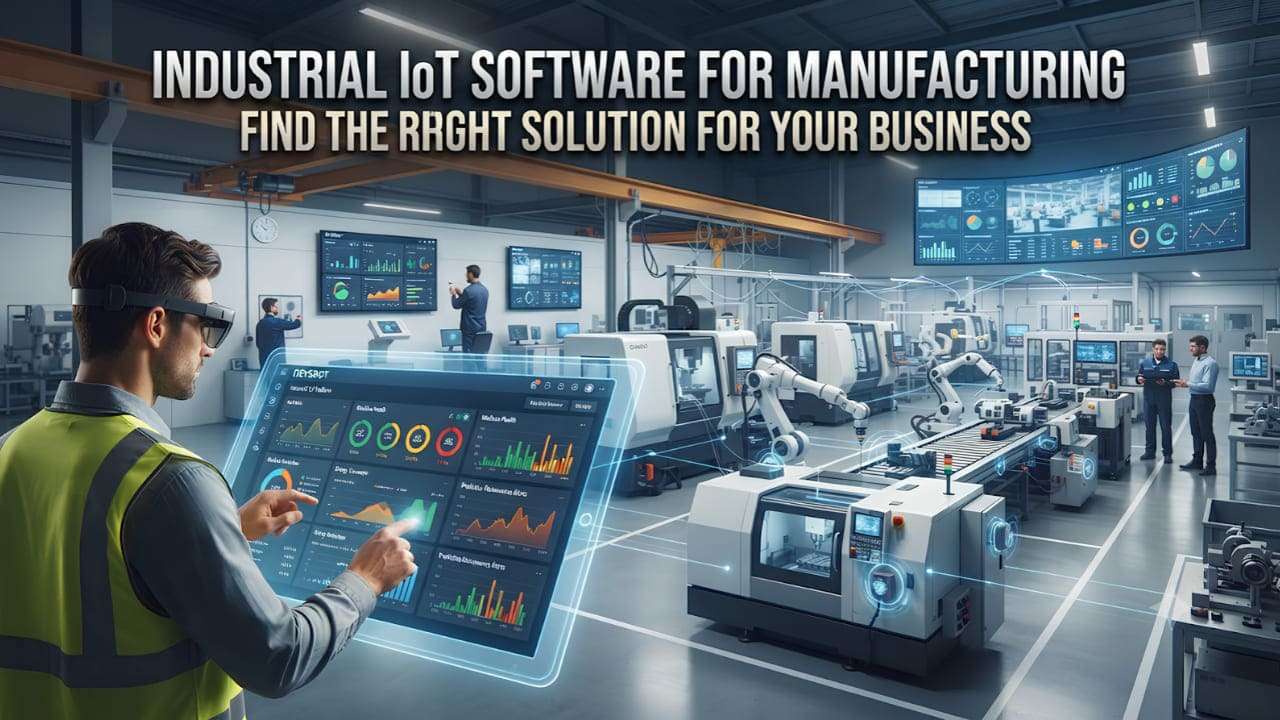
Modern manufacturing requires better coordination between machines, production processes and industrial systems. As factories grow and operations become more complex, manufacturers need better ways to monitor equipment, access operational data and manage daily activities.
Industrial IoT Software helps businesses connect industrial equipment, collect valuable data and gain insights into their operations through centralized monitoring platforms.
For manufacturers looking to improve operational visibility and make data-driven decisions, choosing the right software is an important step. In this guide, we’ll explore the essential features, practical applications and key factors to consider when selecting an Industrial IoT Software solution for your business.
Why Manufacturing Businesses Need Industrial IoT Software
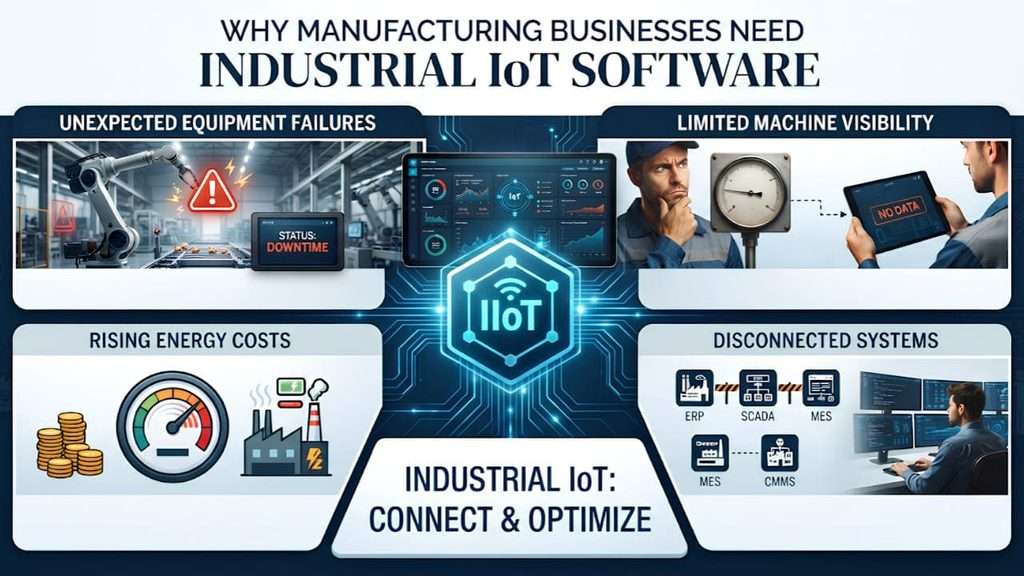
Manufacturing businesses must maintain consistent production, control operating costs and keep equipment running efficiently. However, unexpected machine failures, limited operational visibility and disconnected systems can make these goals difficult to achieve.
According to Siemens‘ 2024 True Cost of Downtime report, an hour of unplanned downtime costs a large automotive manufacturing plant approximately $2.3 million.
Manufacturers commonly face challenges such as:
- Unexpected Equipment Failures: Machine breakdowns can interrupt production schedules, delay orders and increase maintenance expenses.
- Limited Machine Visibility: Without access to real-time equipment data, identifying performance issues and unusual operating conditions becomes difficult.
- Rising Energy Costs: Uncontrolled electricity consumption can increase manufacturing expenses and reduce operational efficiency.
- Disconnected Industrial Systems: Separate monitoring systems can make it harder for teams to access and analyse information from different production areas.
| Manufacturing Challenge | Impact on Business |
| Unexpected equipment failures | Production delays and higher maintenance costs |
| Limited machine visibility | Difficulty identifying performance issues |
| Rising energy costs | Increased operating expenses |
| Disconnected systems | Limited access to operational data |
Connected industrial platforms help businesses address these challenges by connecting industrial equipment, collecting operational data and improving visibility across manufacturing operations.
Essential Capabilities to Look for in Industrial IoT Software
The right platform should help manufacturers monitor equipment, understand operational data and improve daily efficiency. Before choosing a solution, look for these essential capabilities:
- Real-Time Equipment Monitoring: Track machine performance, temperature and operating conditions. For example, monitor motor temperature to identify unusual changes.
- Predictive Maintenance: Analyse equipment data to identify potential issues before they cause unexpected breakdowns.
- Energy Management: Monitor electricity consumption across machines and identify areas of energy wastage.
- Industrial Data Analytics: Use dashboards and reports to understand production trends, equipment performance and operational efficiency.
- Centralized Alarm Monitoring: Receive alerts when equipment crosses predefined operating limits.
- System Integration: Connect existing industrial equipment, sensors and control systems to one platform.
| Capability | Business Benefit |
| Equipment monitoring | Better machine visibility |
| Predictive maintenance | Fewer unexpected failures |
| Energy analytics | Improved energy control |
| Data dashboards | Faster decisions |
Choose software that matches your factory’s requirements and supports future growth.
How to Evaluate and Select the Right Industrial IoT Software
Choosing the right Industrial IoT Software requires more than comparing features or prices. You need a solution that fits your factory’s operations, equipment and future goals. Consider these important factors before making a decision:
- Identify Your Business Needs: Define your main challenges, such as machine downtime, high energy costs or limited production visibility. For example, a factory with frequent equipment failures may prioritize predictive maintenance.
- Check Equipment Compatibility: Ensure the software connects with your existing machines, sensors, PLCs and other industrial systems.
- Compare Essential Features: Look for real-time monitoring, energy analytics, centralized dashboards and maintenance insights.
- Review Data Security: Check user access controls, data protection and system security features.
- Consider Scalability: Choose software that can support additional machines, production lines or factory locations as your business grows.
- Evaluate Support and Costs: Compare implementation expenses, training, maintenance and technical assistance.
Request a product demo and test relevant features before choosing a platform. This helps you make a practical, informed investment.
Industrial IoT Software Solutions for Different Manufacturing Requirements
Manufacturing facilities use connected technologies to address different operational challenges. Depending on their requirements, businesses can apply connected monitoring and analytics to improve visibility across their production processes.
Here are some practical manufacturing applications:
- Machine Performance Tracking: Production teams can monitor machine operating hours, temperature and vibration to identify unusual behaviour during production.
- Energy Consumption Analysis: Facility managers can compare electricity usage across production lines and identify machines with unusually high energy consumption.
- Production Efficiency Monitoring: Operations teams can analyse machine availability, performance and quality to identify production bottlenecks.
- Equipment Health Monitoring: Maintenance teams can review equipment data and investigate early warning signs before unexpected breakdowns.
- Multi-Facility Monitoring: Businesses operating multiple factories can access operational information through centralized dashboards.
| Manufacturing Requirement | Practical Application |
| Machine performance | Track operating conditions |
| Energy management | Compare energy consumption |
| Production efficiency | Identify bottlenecks |
| Equipment maintenance | Investigate unusual readings |
| Multiple facilities | View centralized data |
The right solution helps manufacturers understand their operations and make informed decisions.
Discover DevsBot by Niraltek Solutions: An Industrial IoT Platform for Smarter Operations
Manufacturing businesses need clear visibility into equipment performance, energy consumption and production activities to manage their operations effectively. However, when operational data is spread across disconnected systems, identifying equipment issues, analysing performance and making timely decisions can become challenging.
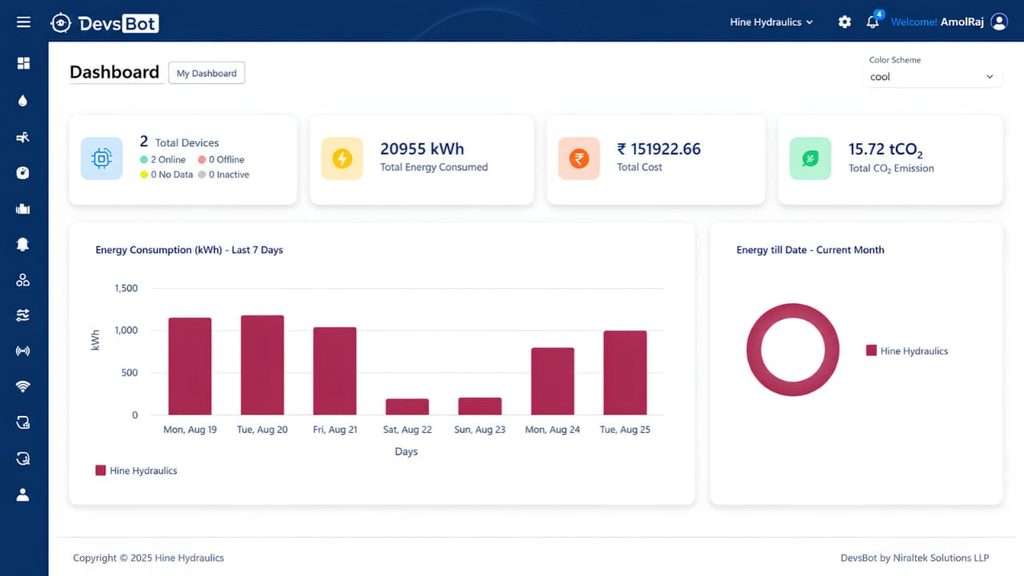
DevsBot by Niraltek Solutions is an Industrial IoT Platform designed to connect industrial equipment, collect operational data and provide actionable insights through centralized monitoring and analytics. It helps manufacturers monitor equipment conditions, analyse energy usage and gain better visibility into their industrial operations.
Key capabilities of the DevsBot platform include:
- Industrial Equipment Monitoring: Collect and monitor data from connected industrial equipment to understand machine operating conditions and identify potential performance issues.
- Smart Energy Management: Monitor energy consumption across connected equipment, analyse usage patterns and identify opportunities to improve energy efficiency.
- Predictive Maintenance: Analyse equipment monitoring data to identify unusual operating conditions and potential equipment issues, helping maintenance teams plan maintenance activities and reduce unexpected downtime.
- Production Performance Analytics: Analyse production-related data, monitor machine performance and identify potential production inefficiencies to support better operational decisions.
- Centralized Industrial Monitoring: Bring relevant equipment and operational information together through a centralized platform, making it easier for teams to monitor connected industrial systems.
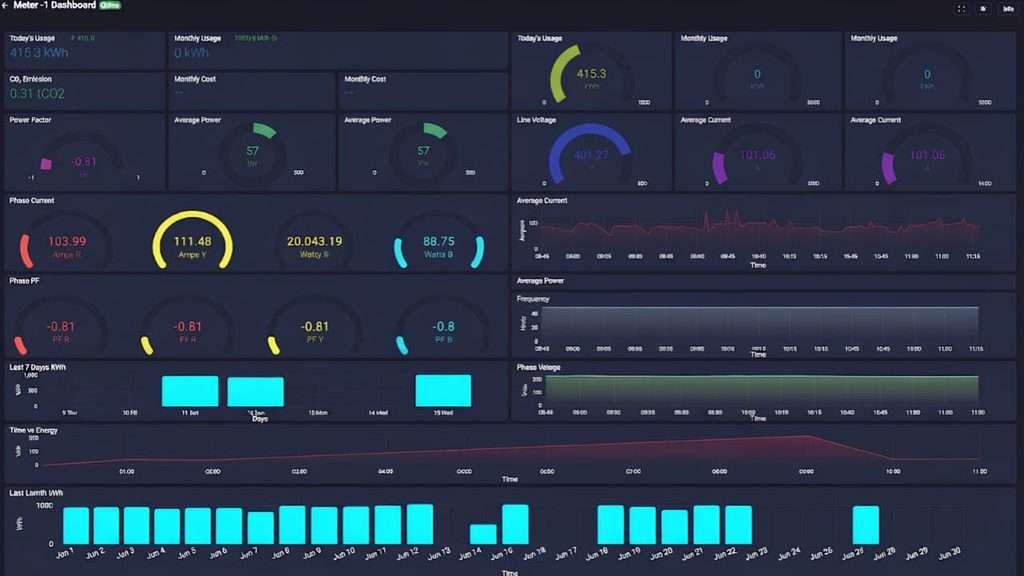
For example, a manufacturing facility can use DevsBot dashboards to monitor equipment conditions, review energy consumption and analyse production performance. This gives operations teams better access to industrial data and supports informed decision-making.
Looking to improve visibility across your manufacturing operations?
Explore the DevsBot Industrial IoT Platform by Niraltek Solutions to discover how its industrial monitoring and analytics capabilities can support your business requirements. Contact the team at connect@niraltek.com to discuss your requirements and request a product demonstration.
Why Partner with Niraltek Solutions for Industrial IoT Requirements?
Selecting the right Industrial IoT partner is essential for connecting factory equipment, improving operational visibility and managing industrial data effectively. Businesses need an engineering partner that understands industrial environments and can address their specific technical requirements.
Niraltek Solutions combines Industrial IoT, AI, hardware engineering and system integration capabilities to help businesses develop connected industrial solutions.
Here are some reasons to consider Niraltek:
- Industrial IoT Engineering: Get support with IoT gateways, sensor integration, device connectivity and industrial data collection.
- Hardware and Firmware Development: Address specific project requirements through custom hardware, PCB design and embedded firmware capabilities.
- Industrial Software Integration: Connect equipment, data sources and monitoring platforms to support centralized operational visibility.
- Customized Monitoring Solutions: Explore solutions for energy management, equipment monitoring, predictive maintenance and industrial automation.
- Industry Implementation Experience: Learn from Niraltek’s industrial projects and practical experience in developing connected monitoring solutions.
For example, Niraltek’s industrial monitoring projects demonstrate how connected devices and monitoring platforms can help businesses access operational information and improve visibility.
Looking for an engineering partner for your next Industrial IoT project?
Contact Niraltek Solutions to discuss your requirements and explore suitable industrial monitoring solutions.
Choose the Right Industrial IoT Software for Your Business
Choosing the right Industrial IoT Software can help manufacturers gain better visibility into their operations, understand equipment performance and manage resources more effectively. However, the best solution depends on your factory’s requirements, existing infrastructure, integration needs and future business goals.
Before making a decision, compare the platform’s capabilities, scalability, technical support and ability to address your operational challenges.
DevsBot by Niraltek Solutions offers an Industrial IoT Platform that brings industrial monitoring, energy management and operational insights together. Explore how it can support your manufacturing requirements and help your team make informed decisions.
Frequently Asked Questions About Industrial IoT Software
1. What is an Industrial IoT Platform, and how does it work?
Industrial IoT Software connects machines, sensors and industrial systems to collect and analyse operational data. It helps manufacturers monitor equipment, track production activities and understand performance through centralized dashboards.
2. How can manufacturers benefit from Industrial IoT Software?
Manufacturers can improve equipment visibility, monitor energy consumption, identify operational inefficiencies and make faster decisions. It also helps maintenance teams identify potential equipment issues before they cause major disruptions.
3. What features should businesses look for in an industrial monitoring platform?
Look for real-time equipment monitoring, predictive maintenance, energy analytics, production dashboards, alarm management, data reporting and integration with existing industrial systems.
4. Can Industrial IoT Software connect with existing factory equipment?
Yes. Many platforms support integration with industrial devices, sensors, PLCs and communication protocols. However, compatibility depends on the equipment, connectivity options and software architecture.
5. How does Industrial IoT Software support predictive maintenance?
It collects equipment data, such as temperature, vibration and operating conditions. Maintenance teams can analyse these readings to identify unusual patterns and investigate potential problems before equipment failure.
6. Can businesses monitor energy consumption using Industrial IoT solutions?
Yes. Businesses can track electricity and other utility consumption across machines, production lines and facilities. Energy dashboards help teams identify unusual consumption patterns and opportunities to improve efficiency.
7. What is the difference between Industrial IoT Software and traditional automation systems?
Traditional automation systems mainly control industrial processes and machinery. Industrial IoT Software connects equipment and systems to collect, analyse and present operational data, helping businesses gain broader visibility across their operations.
8. Is Industrial IoT Software suitable for small and medium-sized manufacturers?
Yes. Small and medium-sized manufacturers can start by monitoring critical machines, energy consumption or production performance. They can expand their monitoring capabilities as their operational requirements grow.
9. How much does an Industrial IoT Software solution cost?
The cost depends on factors such as the number of connected machines, sensors, integration requirements, software features, deployment model and customization. Businesses should request a quotation based on their specific requirements.
10. How can I choose the right Industrial IoT solution provider?
Evaluate the provider’s industrial experience, integration capabilities, software features, customization options, technical support and scalability. Request a product demonstration to understand how the platform addresses your manufacturing challenges.