

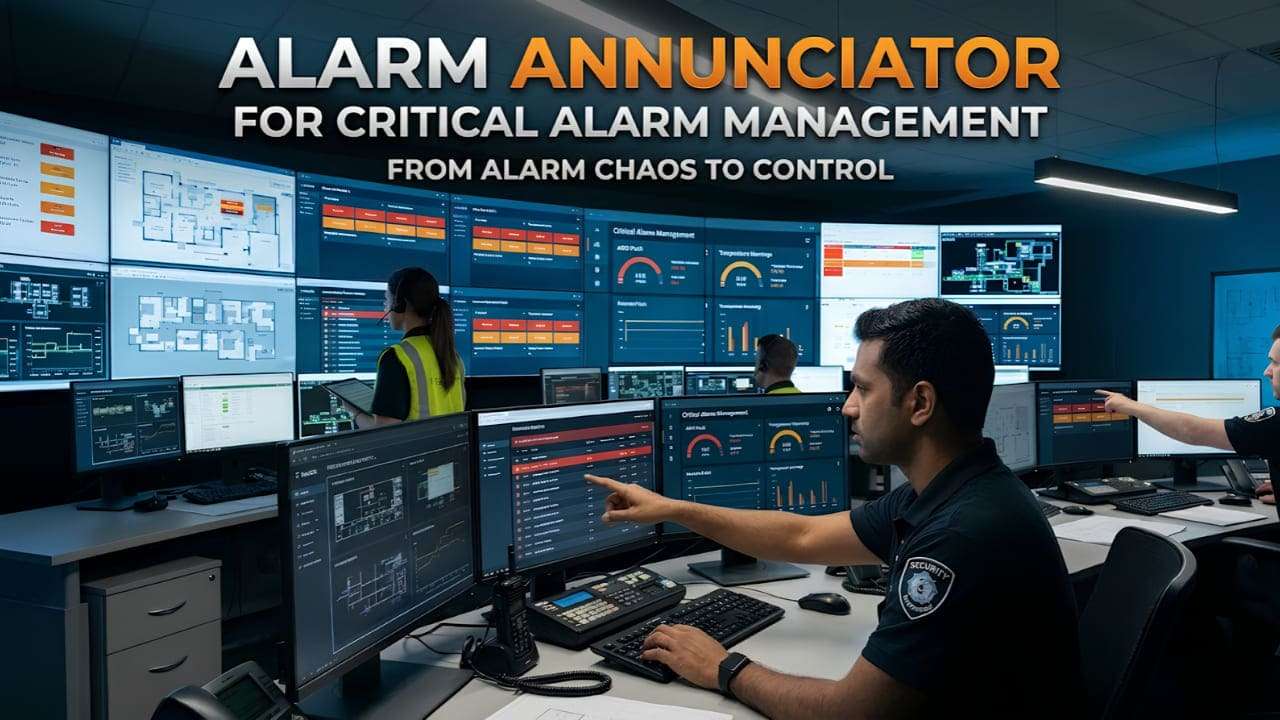
When multiple alarms appear simultaneously, how can facility teams identify which issue needs attention first? In commercial buildings and industrial environments, unclear alarm information can delay investigations and complicate maintenance decisions. An effective alarm annunciator helps operators recognize abnormal conditions, while a broader critical alarm management approach helps teams organize and respond to important events.
Understanding how these systems work can help facility managers evaluate their current alarm-handling processes and identify opportunities for improvement. This guide explores the role of alarm annunciators, common alarm management challenges, and how Niraltek’s ARGUS BMS Alarm System supports centralized visibility across supported building systems.
What Is an Alarm Annunciator?
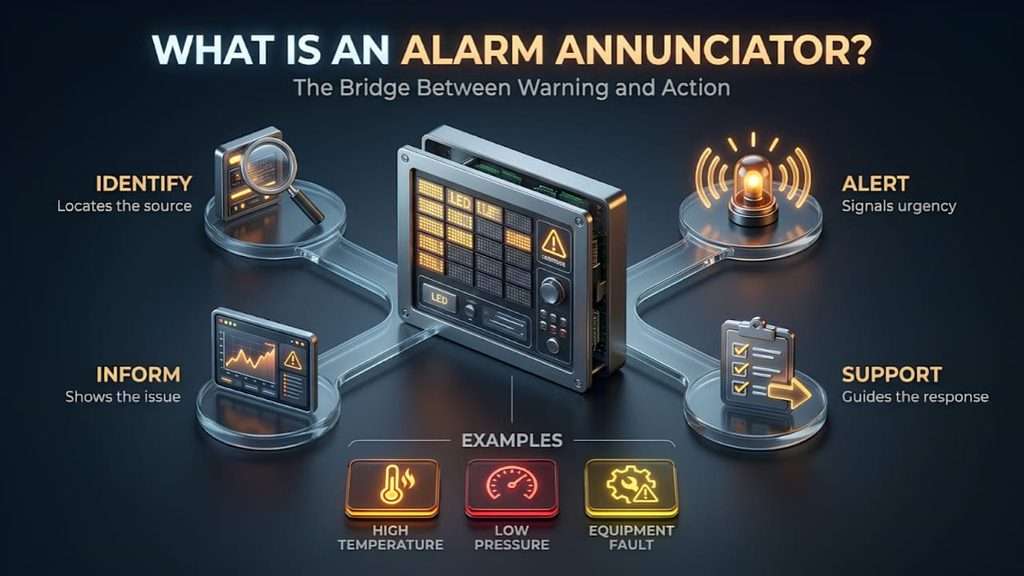
An alarm annunciator helps operators recognize abnormal conditions through visual indicators, audible alerts, or digital displays. It directs attention to equipment or processes that need investigation. According to the UK Health and Safety Executive, effective alarms should guide operators toward conditions that require timely assessment or action.
For example, in an industrial facility, An alarm annunciator may alert an operator when a machine exceeds its configured temperature limit.
Key functions include:
- Identify: Show which equipment triggered an alarm.
- Alert: Use lights, sounds, or messages to attract attention.
- Inform: Help operators understand the abnormal condition.
- Support response: Direct attention toward the next appropriate action.
| Example | Alarm indication |
| High temperature | Temperature warning |
| Low pressure | Pressure alert |
| Equipment fault | Fault indication |
For critical operations, clear alarm information helps teams focus on important events instead of treating every notification equally.
Why Critical Alarm Management Matters
Critical alarm management helps facility and maintenance teams recognize conditions that could affect safety, equipment reliability, and business continuity. When operators cannot identify the most urgent warning, they may lose valuable time investigating the wrong issue.
The importance of effective alarm management became clear during the 1994 Milford Haven refinery incident in the UK, where operators faced a large number of alarms during a major process upset. The incident highlights why operators need clear, meaningful alarm information to make informed decisions.
For businesses, effective alarm management can help to:
- Protect operations: Identify faults that could interrupt essential building or industrial processes.
- Support safer decisions: Give operators clear information when they assess abnormal conditions.
- Improve equipment reliability: Help maintenance teams investigate recurring faults before they cause further disruption.
Common Challenges in Managing Critical Alarms
Facility and maintenance teams often face technical and operational challenges when handling alarms across connected building systems. These issues can make it harder to investigate faults and identify their underlying causes.
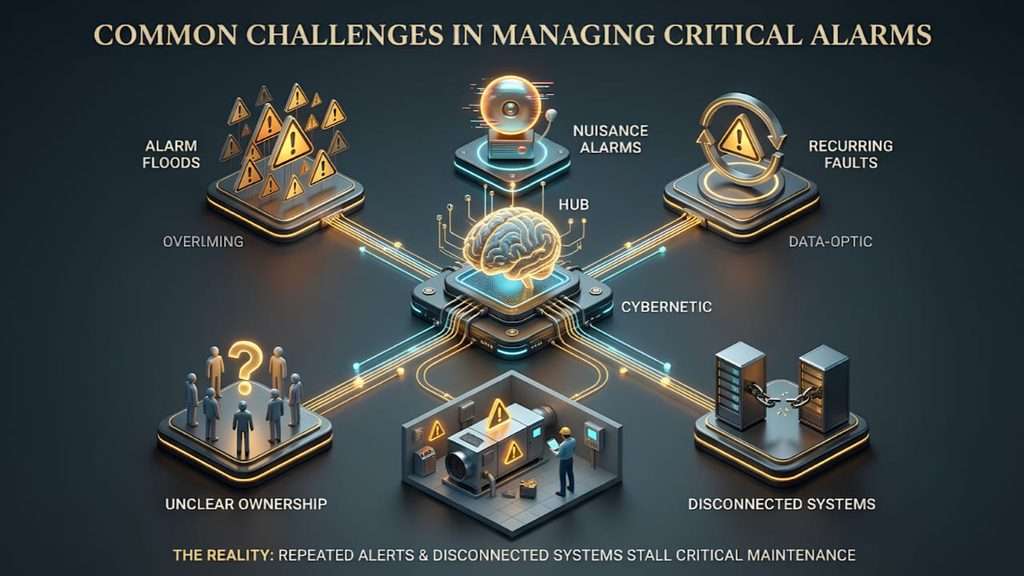
Common challenges include:
- Alarm floods: A single equipment fault can trigger multiple alarms within a short period, making investigations more difficult.
- Nuisance alarms: Incorrect sensor readings or unsuitable alarm thresholds can generate unnecessary warnings.
- Recurring faults: The same equipment problem may trigger repeated alerts if the underlying cause remains unresolved.
- Unclear alarm ownership: Teams may struggle to determine who should investigate a particular fault.
- Disconnected systems: Alarm information across separate platforms can make it difficult to understand the overall situation.
Example: Imagine an air-handling unit repeatedly triggers temperature alerts because of a sensor issue. Meanwhile, a separate equipment fault requires maintenance attention. The team must investigate both issues and determine which requires immediate action.
Understanding these challenges helps facility managers identify gaps in their existing alarm-handling processes and determine where improvements are needed.
How an Alarm Annunciator Supports Critical Alarm Management
An alarm annunciator gives operators a clear indication when connected equipment reports an abnormal condition. It helps them identify the source of an alert and decide what to investigate next. An alarm annunciator’s capabilities depend on its configuration and integration with other monitoring equipment.
A typical alarm-handling process includes:
- Detect: A connected device reports an abnormal condition, such as an unusually high AHU temperature.
- Display: The annunciator identifies the affected equipment and presents the alarm.
- Assess: The operator checks the alarm’s severity and follows the site’s response procedure.
- Respond: The responsible team investigates the cause and takes appropriate corrective action.
- Record: Where the system supports this feature, staff acknowledge the alarm and document follow-up actions.
Meet ARGUS: Niraltek’s Approach to Critical Alarm Management
Managing alarms across multiple building systems requires a connected approach. ARGUS, Niraltek’s BMS Alarm System, brings alarm information from supported building equipment into a unified platform, helping facility teams manage important events through organized workflows.
Key Capabilities of ARGUS
- Unified Alarm Dashboard: Monitor alerts from supported HVAC, AHU, fire, and BMS systems through one interface.
- Critical Alarm Prioritization: Classify alarms according to their importance and operational impact.
- Notification and Escalation: Route important alerts to responsible personnel for timely investigation.
- Acknowledgement Tracking: Help teams monitor which alarms have received attention.
- Alarm History: Review previous events to identify recurring equipment issues and support maintenance decisions.
Example: In a commercial building, a chiller fault may require attention from a specific maintenance technician. ARGUS can help route the relevant alert and support acknowledgement and follow-up through its configured workflows.
Explore Niraltek’s ARGUS BMS Alarm System to learn more about its critical alarm management capabilities.
Where Critical Alarm Management Can Make a Difference
Different facilities face different alarm management needs. The right approach depends on the equipment they operate, the risks they manage, and the response procedures their teams follow.
- Commercial buildings: Monitor HVAC and air-handling equipment to help maintain comfortable indoor conditions.
- Hospitals: Help engineering teams monitor building-system alerts and follow established procedures for ventilation and other essential services.
- Manufacturing plants: Identify equipment faults that require maintenance investigation to help limit production interruptions.
- Data centers: Monitor cooling-system alerts and investigate conditions that could affect server-room temperatures.
- Hotels and shopping malls: Help facility teams coordinate maintenance activities across multiple building areas.
Example: In a data center, a cooling-system alarm may indicate that temperatures are moving outside the configured operating range. The facilities team can investigate the cause and follow its established response procedure.
Although each environment has different requirements, clear alarm information helps teams understand equipment conditions and decide what action to take.
For facilities seeking a centralized approach, explore Niraltek’s ARGUS BMS Alarm System to learn about its supported building-system monitoring capabilities.
What to Look for When Choosing a Critical Alarm Management Solution
Choosing the right critical alarm management solution helps teams identify urgent issues and respond efficiently. Before investing, check these essential features:
| Feature | What to check | Example |
| Alarm prioritization | Clear priority levels | Highlight a critical AHU fault |
| Centralized dashboard | Visibility across supported systems | Monitor HVAC and BMS alarms together |
| Noise reduction | Duplicate alarm detection | Identify repeated notifications |
| Response workflows | Notifications, acknowledgement, and escalation | Alert the responsible technician |
| Alarm history | Event logs and reporting | Review recurring equipment faults |
| System integration | Compatibility with existing equipment | Connect supported BMS systems |
Keep priorities meaningful: The UK Health and Safety Executive recommends using about three alarm priorities and assigning them consistently according to potential consequences.
For example, when a cooling fault appears alongside routine alerts, operators should quickly recognize which issue needs urgent attention.
Conclusion: Bring Critical Alarms Into Clearer Focus
An alarm annunciator helps operators identify abnormal conditions, but effective alarm management also requires clear priorities and a structured response process. By addressing common alarm-handling challenges, facility teams can make better-informed decisions and manage equipment issues more effectively.
Niraltek’s ARGUS BMS Alarm System brings alarm information from supported building systems into a centralized platform, helping teams organize and manage critical events.
Want to improve how your facility manages critical alarms? Explore ARGUS to learn more about Niraltek’s approach to building alarm management.
Frequently Asked Questions
1. What is an alarm annunciator?
An alarm annunciator alerts operators when equipment or a process experiences an abnormal condition. It may use visual indicators, audible signals, or digital displays to help teams identify the issue and decide what action to take.
2. How does an alarm annunciator work?
It receives an alarm signal from a connected device or monitoring system. When a configured condition occurs, it displays the alert and may trigger an audible warning so the responsible team can investigate.
3. What is the difference between an alarm annunciator and an alarm management system?
An alarm annunciator primarily presents alerts to operators. An alarm management system can provide broader capabilities, such as prioritization, centralized monitoring, alarm analysis, and response tracking, depending on its features.
4. Why is prioritizing critical alarms important?
Prioritization helps operators recognize which conditions require urgent attention. Without clear priorities, important warnings can compete with routine notifications and make timely decisions more difficult.
5. Where can these systems be used?
They can support monitoring in commercial buildings, hospitals, manufacturing facilities, hotels, and other environments with connected equipment. For example, a facility team may receive an alert about an HVAC fault and investigate before it affects building operations.
6. Can an alarm management platform help reduce repeated notifications?
Yes. Depending on its capabilities and configuration, a platform can identify duplicate or recurring alerts and help teams focus on meaningful events. Teams should review alarm settings carefully to avoid hiding important warnings.
7. How does Niraltek’s ARGUS BMS Alarm System help facility teams?
Niraltek’s ARGUS platform brings alarms from supported building systems into a centralized view and supports critical alarm prioritization and more structured response workflows. Explore the ARGUS BMS Alarm System to learn more.